Retro Cardiac Nurse SVG: A Designer's Hard Look Before Stitching
I spend my days knee-deep in embroidery files, thread spools, and stabilizer. When a design like Retro Cardiac Nurse SVG, Heart Svg lands on my screen, I don't just glance at the preview. I picture it on a worn-in sweatshirt, a canvas tote, or a tiny baby onesie. I think about how the stitches will lay, what the average customer will see, and whether the design actually earns its place in a small shop product line. What follows is that honest, hands-on evaluation, framed entirely around real embroidery use.
First Impression: Warmth Wrapped in a Vintage Heartbeat
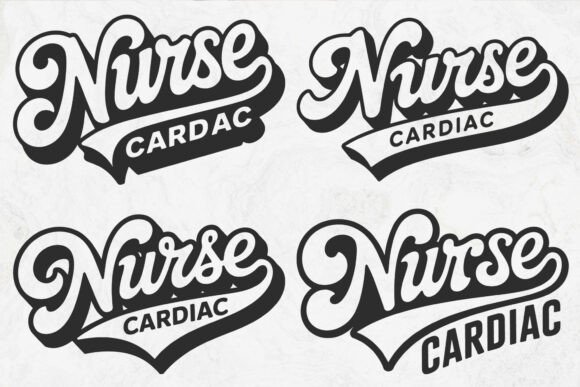
The moment I opened the file, the mood was clear. This isn't a cold clinical icon. The retro heart shape, paired with a subtle nursing cue, feels like a quiet nod to dedication. It's sentimental without being fragile. The layout leans into a balanced, centered composition that generally reads well on everything from chest placements to tote bag front panels. I saw it and immediately thought of a Nurse Mom appreciation gift—something that would make a seasoned cardiac nurse stop and smile.
The visual personality sits somewhere between a 1970s care badge and a modern minimalist statement. The curves are smooth, the detail level moderate. No overly fussy lines that would turn into a muddy mess under a needle. That's a huge plus for anyone who stitches on textured fabrics or needs a design that registers clearly from a distance.
Where This Design Feels at Home in an Embroidery Project
I test-fit this mentally across a dozen products. The strongest matches involve soft, personal, and gift-ready items. The Retro Cardiac Nurse SVG, Heart Svg naturally belongs on:
- A sturdy canvas tote bag for a nurse who carries snacks, charts, and a stethoscope.
- A pre-shrunk crewneck sweatshirt in a faded teal or heather gray.
- A baby bodysuit or throw blanket for a newborn whose parent is a cardiac nurse.
- A linen kitchen towel or apron, especially around Nurses Week.
- A simple patch with a merrowed edge, sewn onto a backpack or jacket.
I kept coming back to a real-life scenario: a boutique owner prepping for a spring craft fair. She wants a crisp, recognizable design that speaks to medical families without looking like a generic hospital logo. On a natural cotton tote, stitched in a soft red and a muted navy, the heart motif would give off that handmade, cherished vibe. It’s the kind of product that stops a customer mid-browse because it feels personal, not mass-produced.
Stitching Personality on Different Fabrics
When I evaluate a digital embroidery file, I always ask: how does it behave on the materials real people use? A design can look beautiful on a screen and fall apart on terry cloth. Here, the retro heart shape is forgiving. The rounded contours won’t fight a thick bath towel the way sharp angles would. So I’d confidently test it on a plush pillow cover or a baby blanket.
On a pique polo or a cap, however, I’d slow down. The curved surface of a hat demands a smaller hoop size and often forces you to rethink placement. I’d position the design lower on the front panel to avoid the center seam. If the original file includes any thin accent lines or tiny inner details, those would need careful scrutiny on a structured cap. A quick sew-out on scrap twill before moving to the final piece is non-negotiable.
Dark fabric is another consideration. The heart itself should pop, but only if the thread colors are chosen deliberately. I’d stitch a test patch on black and on navy denim. If the contrast feels muddy, I’d swap a dark outline for a slightly lighter thread or add a subtle satin stitch border. This is where the design's value as a Retro Cardiac Nurse SVG really shines: the vintage aesthetic welcomes a slightly faded, worn-in look, so you don’t need sterile, blazing contrast. It’s meant to feel like a beloved keepsake, not a neon sign.
Small Details, Big Impact on Stitch Quality
Every embroidery designer knows the devil is in the inner loops. The heart shape may include a small caduceus, a subtle pulse line, or delicate lettering that reads “Nurse Mom.” I’d inspect those tiny elements at 200% zoom before sending anything to the machine. Thin lettering under 0.25 inches tall can turn into a blob if the stitch density is too high or the fabric isn't stabilized properly. With a Retro Cardiac Nurse SVG, Heart Svg file, I'd want to confirm that any text stays bold enough to survive a wash cycle and still look legible.
On a baby item, the same detail becomes even more critical. A onesie stretches constantly. Lightweight knit fabric begs for a soft, flexible fill stitch, not a dense, bulletproof layer. I’d use a cut-away stabilizer and a soft water-soluble topper to keep the retro heart crisp without turning the garment into cardboard. The result should feel tender, not stiff.
How the Design Shapes Customer Perception and Product Value
A well-chosen machine embroidery design does more than decorate. It elevates the entire product and tells a story. This retro heart motif carries a quiet emotional weight. When a customer sees it on a tote bag or a baby blanket, they don't just see a graphic. They see a nurse, a mother, or a friend who shows up. That emotional connection directly boosts the perceived value of the item, whether it's a $20 tea towel or a $45 personalized sweatshirt.
For an Etsy seller or a small shop owner, this design can become a signature piece. Pair it with a simple handwritten-style name underneath, and you have a custom listing that practically markets itself. The vintage nursing theme is specific enough to attract a niche audience, yet broad enough to work for Nurses Week, Mother's Day, graduation, or retirement. The design assets become a vehicle for buyer engagement because the heart shape feels universal, while the nursing touch makes it deeply personal.
Products That Might Need a Little Extra Care
I would not throw this design onto every blank item in the studio without a second thought. There are places where the Retro Cardiac Nurse SVG, Heart Svg needs a gentle hand:
- Thin t-shirts: The retro heart might feel heavy on a 4.5 oz ring-spun tee. I’d reduce stitch density slightly or use a fine thread to keep the fabric draping nicely.
- Stretchy performance wear: High-spandex blends distort easily. A sturdy fusible mesh stabilizer is a must, and I’d avoid any satin stitch columns that run parallel to the stretch direction.
- Layered garments: On a hoodie pocket or a zippered jacket, the design can get lost in seams. I’d place it on the upper chest or the sleeve, keeping the retro vibe intact without interference.
- Kitchen towels with heavy ribbing: The design might sink into the texture. A water-soluble topper and a denser fill stitch can rescue the heart shape, but I’d still test on a cheap towel first.
Every one of these precautions is just good embroidery practice. The design itself is not flawed; it simply asks for the same respect any detailed heart motif would demand.
Color Palette and Thread Choices That Bring the Retro Vibe Alive
I never trust a design’s color story until I see it stitched. The vintage heart theme begs for slightly muted, dusty tones. Think brick red, olive green, cornflower blue, or mustard yellow. Too bright a red can kill the retro mood, making it look like a modern safety emblem. I’d thread up a few test runs: one with a deep cranberry and warm cream, another with a teal and soft peach. The right combination makes the Retro Cardiac Nurse SVG, Heart Svg feel like it was pulled from a 1970s nurse’s uniform pocket.
For a cohesive brand look, I’d keep the thread colors consistent across a product line. If you sell tote bags, aprons, and baby onesies, use the same three-thread palette. Customers recognize the signature. They begin to associate your shop with that gentle, nostalgic aesthetic. That’s how a simple digital embroidery file becomes a brand’s quiet anchor.
Practical Designer Notes Before You Ship the Final Product
From one embroiderer to another, here’s the checklist I run through before I’d offer a finished item made with this design:
- Test on scrap fabric first. Never assume the digital preview matches the stitch-out. I test on the exact fabric and stabilizer I plan to use.
- Check the thread color contrast. Hold the test piece under natural light. Does the heart pop? If not, adjust the thread or add a thin outline.
- Review stitch density. Too dense, and the design puckers; too light, and the fabric peeks through. I look for a smooth, flat surface.
- Confirm hoop size. The design must fit comfortably in my most-used hoop without crowding the edges. I’d measure the bounding box before starting.
- Inspect the small details. Any tiny text or inner lines need to be crisp. If they blur, I’d simplify them in the digitizing software or choose a larger size.
- Test in black and white. Print a grayscale mockup. If the design loses its shape completely, it might not read well on a patterned fabric or a busy background.
- Compare light and dark fabric backgrounds. A design that looks perfect on white can disappear on a charcoal sweatshirt. I always test both extremes.
- Use proper stabilizer. For most apparel, I start with a medium-weight cut-away. For towels, I add a topper. For caps, a strong adhesive backing.
- Check licensing and usage terms. Since the product description shows this is an instant download digital file, I’d confirm whether the license permits commercial use on finished products, how many items I can sell, and if any attribution is required. The listing does not spell out these details, so I would reach out to the seller or read the included license file carefully before listing anything for sale.
That last point is crucial. Many craft business owners get burned by assuming all SVG files are free for commercial use. A quick check protects your shop and your reputation.
What the End Customer Feels When They See the Finished Piece
I always imagine the unboxing moment. A customer pulls out a soft, oatmeal-colored baby blanket with the Retro Cardiac Nurse SVG, Heart Svg stitched in the corner. The heart is gentle, the thread almost velvety. The blanket feels like a hug from a grandma who worked the night shift. That is the emotion this design can deliver. It’s not trendy; it’s timeless. It’s not loud; it’s meaningful.
For a handmade shop, that emotional hit translates into repeat customers, five-star reviews, and word-of-mouth referrals. A nurse mom might buy one for herself, then come back to order three more for her colleagues. The design becomes a conversation starter at a baby shower or a heartfelt thank-you gift after a difficult week. As a designer, I want the files I choose to carry that kind of quiet power.
Final Thoughts From the Embroidery Desk
After spending time with this design, I’d confidently use it in a range of craft projects. The retro heart aesthetic is charming, the nursing theme is purposeful, and the overall composition is clean enough to stitch well even on tricky fabrics if you take the right precautions. It’s the kind of graphic that bridges the gap between a digital download and a tangible, heartfelt gift that people keep for years.
Whether you’re embroidering a tote bag for a nurse friend, building a boutique product line for Nurses Week, or adding a personal touch to a baby shower gift, the Retro Cardiac Nurse SVG, Heart Svg earns its place. Just remember to test thoroughly, choose your thread colors with a vintage eye, and respect the license. That’s how you turn a simple digital file into a finished product that feels like it was made with love—because it was.