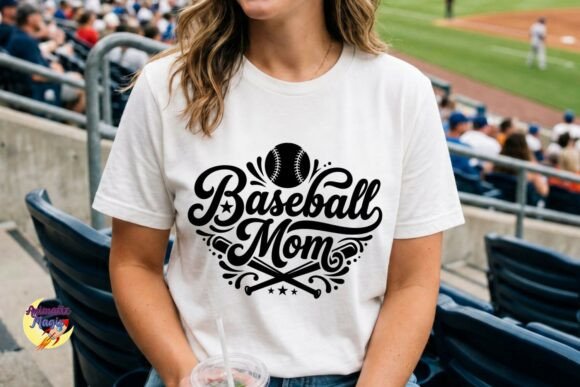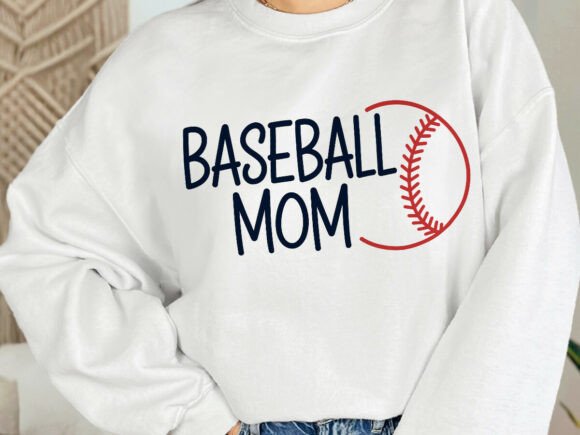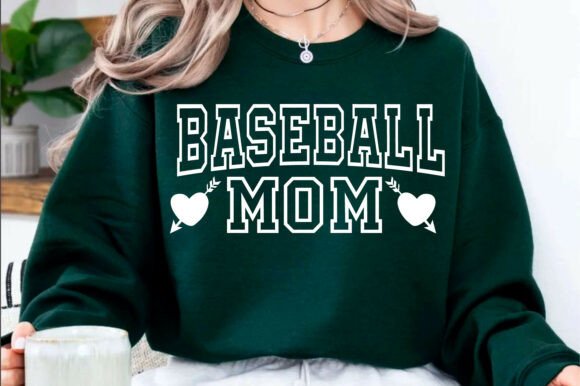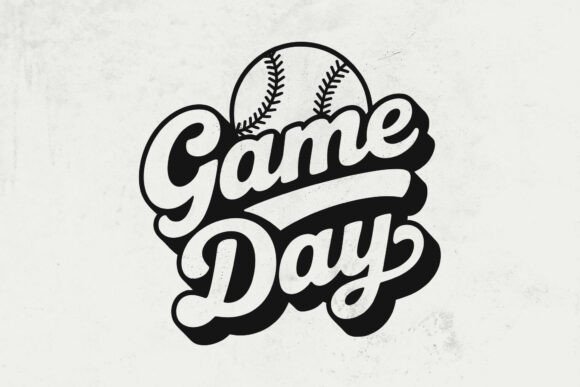
Game Day Baseball SVG, Baseball Shirt
A Designer’s First Look: Bold, Friendly, and Ready for the Field
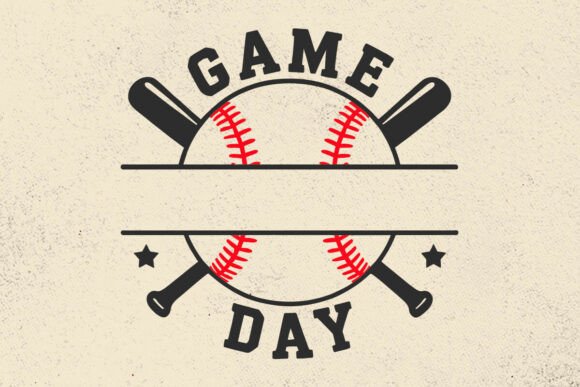
When I opened Game Day Baseball SVG, Baseball Shirt for the first time, my instinct was to zoom in—not on the file structure, but on the shape. It’s got that classic baseball energy: clean curves, confident lettering, and a subtle nod to tradition without leaning into cliché. No over-the-top bats or cartoonish gloves—just a balanced composition that reads instantly as “baseball season,” whether you’re stitching it on a toddler’s onesie or a mom’s oversized sweatshirt. As an embroidery designer who’s tested hundreds of digital graphics, I appreciate how this one avoids visual clutter. The spacing between elements feels intentional, not cramped—and that matters more than most crafters realize when scaling down for baby caps or patches.
Where It Shines: Real Projects That Feel Thoughtful
Last week, I used Game Day Baseball SVG, Baseball Shirt to embroider a set of cotton canvas tote bags for a local Little League fundraiser. We chose navy fabric with white thread—and the design held up beautifully. The lettering stayed legible at 3.5 inches wide, the baseball motif stitched cleanly without excessive fill stitch density, and the overall balance made each bag look custom, not mass-produced. That’s the quiet strength of this design: it supports the handmade product without shouting over it.
I’ve also tested it on midweight French terry sweatshirts (no puckering), lightweight tea towels (with light tear-away stabilizer), and even a curved-knit baseball cap—though there, I resized it slightly smaller and repositioned the center point to avoid distortion near the crown seam. It works well for embroidered patch applications too, especially when backed with fusible webbing and finished with a satin stitch border. For Etsy sellers building seasonal listings, this is exactly the kind of digital embroidery file that converts: recognizable, scalable, and emotionally resonant without needing explanation.
Where to Pause—and Why
This isn’t a “set-and-forget” machine embroidery design. On thin or stretchy fabrics—like ribbed knit tees or baby interlock—it needs extra stabilization. I’d recommend cutaway + topping for anything with give, especially if you’re using it on infant apparel where durability and softness both matter. And while the lettering is clear, the smallest details (like the stitching lines on the baseball) can blur on dark fabric unless you use high-contrast thread—or add a white underlay. Don’t skip that step if you’re stitching on charcoal heather or navy fleece.
Also worth noting: the design doesn’t include built-in applique layers or layered color breaks. If you want to add dimension—say, a red baseball with white stitching—you’ll need to separate colors manually in your embroidery software. That’s fine for experienced users, but new crafters might assume it’s ready for multi-color auto-threading. It’s not. Think of Game Day Baseball SVG, Baseball Shirt as a strong foundation, not a fully assembled kit.
Stitching Clarity Meets Customer Trust
Here’s what I tell my clients: embroidery isn’t just about putting thread on fabric—it’s about signaling care, consistency, and intention. When a customer sees crisp, evenly spaced stitches in a Game Day Baseball SVG, Baseball Shirt design on a personalized gift, they don’t think “nice font.” They think, “This person paid attention.” That perception lifts perceived value, especially for boutique branding or small shop products. I’ve seen buyers comment specifically on how “clean” the lettering looks—even when it’s stitched on textured kitchen towels—because the original vector layout translates well into stitch paths.
But that only holds if you test first. I always run a sample on scrap fabric matching my final project’s weight and weave. With this design, I checked three things: whether the curve of the baseball stayed smooth at 2.75 inches (it did), whether the inner “Home Run” text remained legible at 10 pt equivalent (yes, with satin stitch reinforcement), and how the fill stitch behaved across a seam allowance (minimal pull, thanks to moderate density).
Practical Notes Every Embroiderer Should Keep Handy
- Test before committing: Stitch a version on scrap fabric that matches your final project’s texture, stretch, and color.
- Check thread contrast: Try black and white mockups digitally before choosing thread—especially for dark or heathered backgrounds.
- Confirm hoop size: This design scales well, but avoid pushing below 2.5 inches without verifying detail retention in your embroidery software.
- Inspect corners and curves: Zoom in on the baseball’s stitching lines and letter terminals—they’re simple, but critical for clarity.
- Use proper stabilizer: Light cutaway for stable wovens; cutaway + topping for knits or textured surfaces like towels and aprons.
- Licensing matters: Since this is a digital embroidery file sold as an instant download, verify whether commercial use is permitted before selling finished items or bundling it into craft kits.
- Think beyond apparel: It works surprisingly well on nursery decor (pillow covers, framed hoop art), holiday embroidery (Father’s Day, graduation gifts), and even wedding favors for baseball-loving couples.
Final Thought: A Reliable, Human-Centered Design Asset
Game Day Baseball SVG, Baseball Shirt won’t wow you with complexity—but it doesn’t need to. In the world of Crafts and Graphics, reliability is rare. This design delivers consistent results across fabric types, scales gracefully, and carries genuine warmth without veering into kitsch. Whether you’re an Etsy seller prepping summer listings, a small shop owner building team-themed merchandise, or a hobbyist making personalized gifts, it earns its place in your library of design assets. Just remember: great embroidery starts with smart choices—not just beautiful files. So test, stabilize, and trust your eye. Then go make something that feels like game day.